

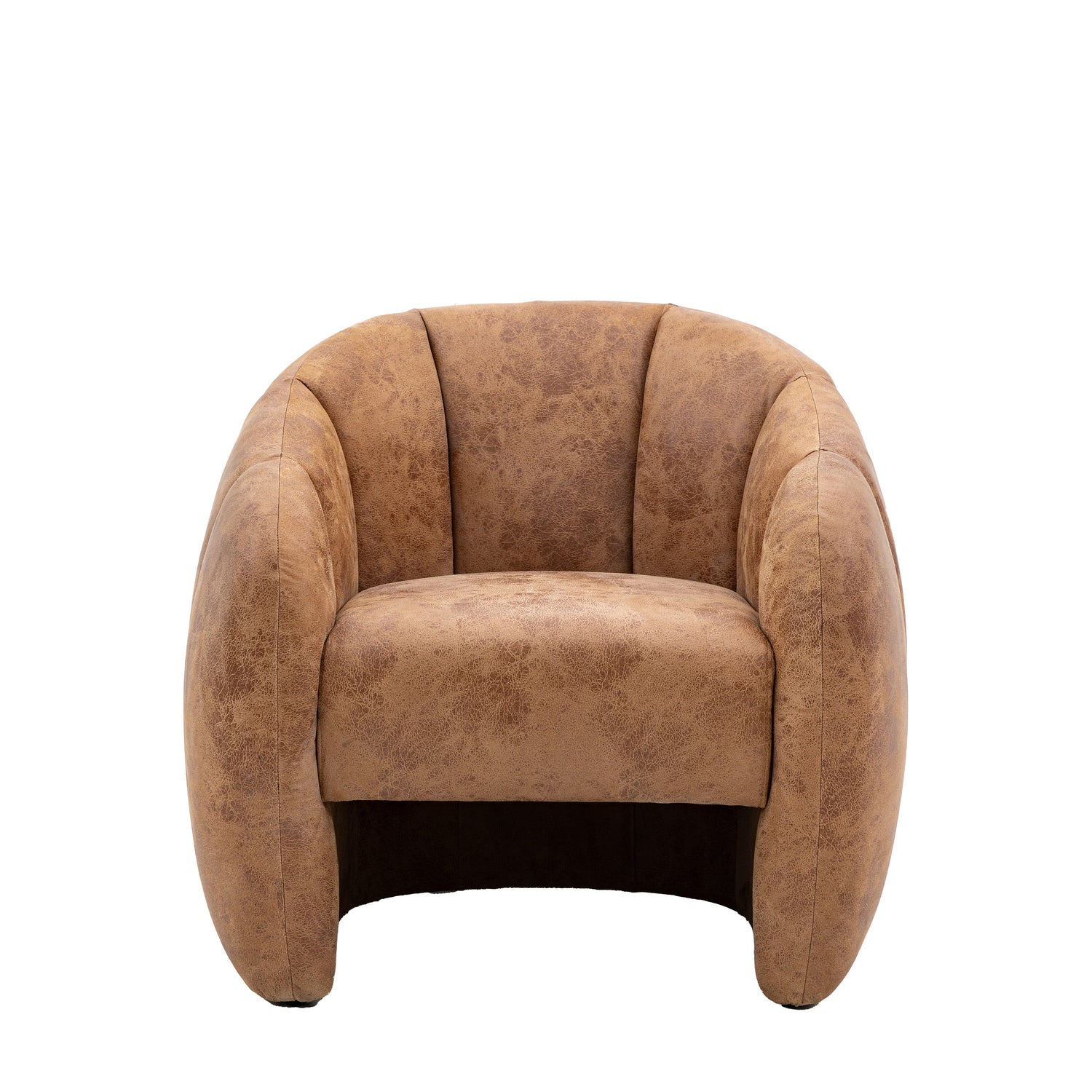
When you invest in a piece of furniture, the material it's made from determines far more than just its appearance. It affects durability, weight, maintenance needs, and how the piece ages over time. Understanding the characteristics of different woods helps you make confident choices that suit both your style and your lifestyle.
Oak
Oak has been a cornerstone of British furniture-making for centuries, and with good reason. It's exceptionally hard-wearing, resistant to dents and scratches, and develops a richer, deeper tone as it ages.
Grain: Prominent, straight grain with occasional cathedral patterns. The natural markings give each piece individuality.
Colour: Ranges from pale honey to warm golden tones. Can be stained, limed, or smoked for different effects.
Durability: Excellent. Oak furniture regularly lasts generations with minimal care.
Best for: Dining tables, sideboards, wardrobes, and any piece you want to last a lifetime. Browse our dining tables and sideboards for oak options.
Care: Dust regularly with a soft cloth. For oiled oak, reapply furniture oil once or twice a year to maintain the finish. Avoid placing hot items directly on the surface — always use coasters and mats.
Mango Wood
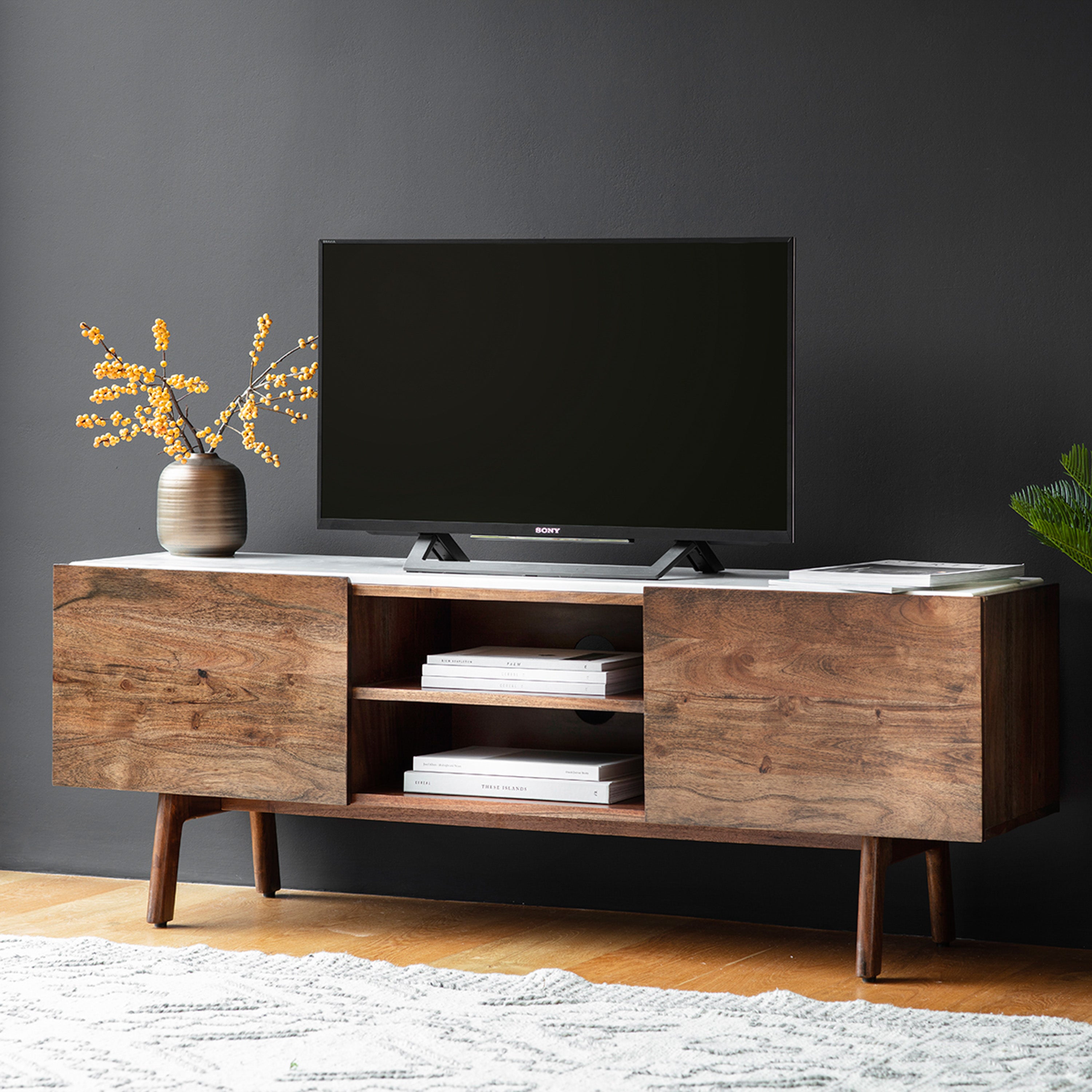
Mango wood has become increasingly popular for its distinctive beauty and sustainability. Harvested from mango trees that are no longer producing fruit, it represents a genuinely eco-conscious choice.
Grain: Rich, varied grain patterns with swirling figures. No two pieces look exactly alike, which is part of its charm.
Colour: Warm honey to deep golden brown, often with darker streaks running through. The natural variation is a feature, not a flaw.
Durability: Good. Slightly softer than oak but perfectly robust for everyday furniture.
Best for: Coffee tables, side tables, console tables, and display units where the grain can be appreciated. Explore our coffee table collection for mango wood designs.
Care: Treat with furniture wax or oil periodically. Mango wood responds well to beeswax polish, which enhances the natural warmth of the grain. Keep away from direct heat sources and prolonged sunlight to prevent fading.
Pine
Pine is one of the most versatile furniture woods, prized for its affordability, lightness, and the warm, relaxed character it brings to a room.
Grain: Clear, straight grain with visible knots that add rustic character. The knots darken over time, adding to the piece's personality.
Colour: Pale cream to light yellow when new. Naturally darkens to a warm amber over months and years of exposure to light.
Durability: Moderate. Pine is a softwood, so it's more susceptible to dents and marks than hardwoods. Many people consider this part of its charm — the marks of a well-lived home.
Best for: Bedroom furniture, shelving, and informal dining spaces where a relaxed, country feel is desired. Check our wardrobe collection and beds for pine options.
Care: Wax or oil regularly to protect the surface. Pine scratches more easily than hardwoods, but minor marks can often be sanded out and refinished at home.
Reclaimed and Recycled Wood
Reclaimed wood carries a sense of history that new timber simply cannot replicate. Sourced from old buildings, boats, and industrial structures, each piece has a story embedded in its surface.
Grain: Varies enormously depending on the original wood species. Often features nail holes, saw marks, and weathering that add authentic character.
Colour: Typically deeper and more complex than new wood, with layers of natural patina built up over decades.
Durability: Often excellent — reclaimed wood is usually old-growth timber, which is denser and harder than modern plantation wood.
Best for: Statement dining tables, console tables, and shelving where the character of the wood becomes the centrepiece.
Care: Follow the care guidelines for the specific wood species. Most reclaimed wood furniture benefits from an annual application of oil or wax to maintain its rich appearance.
MDF and Engineered Wood
Modern engineered materials shouldn't be dismissed. High-quality MDF with real wood veneer can be extremely attractive and practical.
Advantages: Won't warp or crack with changes in temperature and humidity. Provides a perfectly flat surface for painted finishes. Generally more affordable than solid wood.
Best for: Media units, painted furniture, and pieces where dimensional stability matters more than natural grain.
Care: Wipe with a damp cloth. Avoid excessive moisture. Painted finishes can be touched up easily.
Metal and Mixed Materials
Many contemporary furniture designs combine wood with metal frames — typically steel, iron, or aluminium. These mixed-material pieces bridge the gap between industrial and organic, creating designs that feel current without being trend-dependent.
Steel and iron frames in black, brushed gold, or antique brass pair beautifully with wooden tabletops. They're exceptionally sturdy and bring a visual lightness to heavy pieces.
Best for: Dining tables, console tables, shelving, and desks where a contemporary or industrial aesthetic is desired.
Choosing the Right Material for Your Home
There's no single "best" material — the right choice depends on how you live, the look you're after, and how much maintenance you're willing to do. Oak rewards those who value longevity, mango wood suits lovers of natural individuality, pine brings warmth to relaxed spaces, and reclaimed wood tells a story no other material can.
Whatever material draws you in, you'll find thoughtfully crafted pieces across our furniture collection, each selected for quality, character, and lasting appeal.

Leave a comment
This site is protected by hCaptcha and the hCaptcha Privacy Policy and Terms of Service apply.