

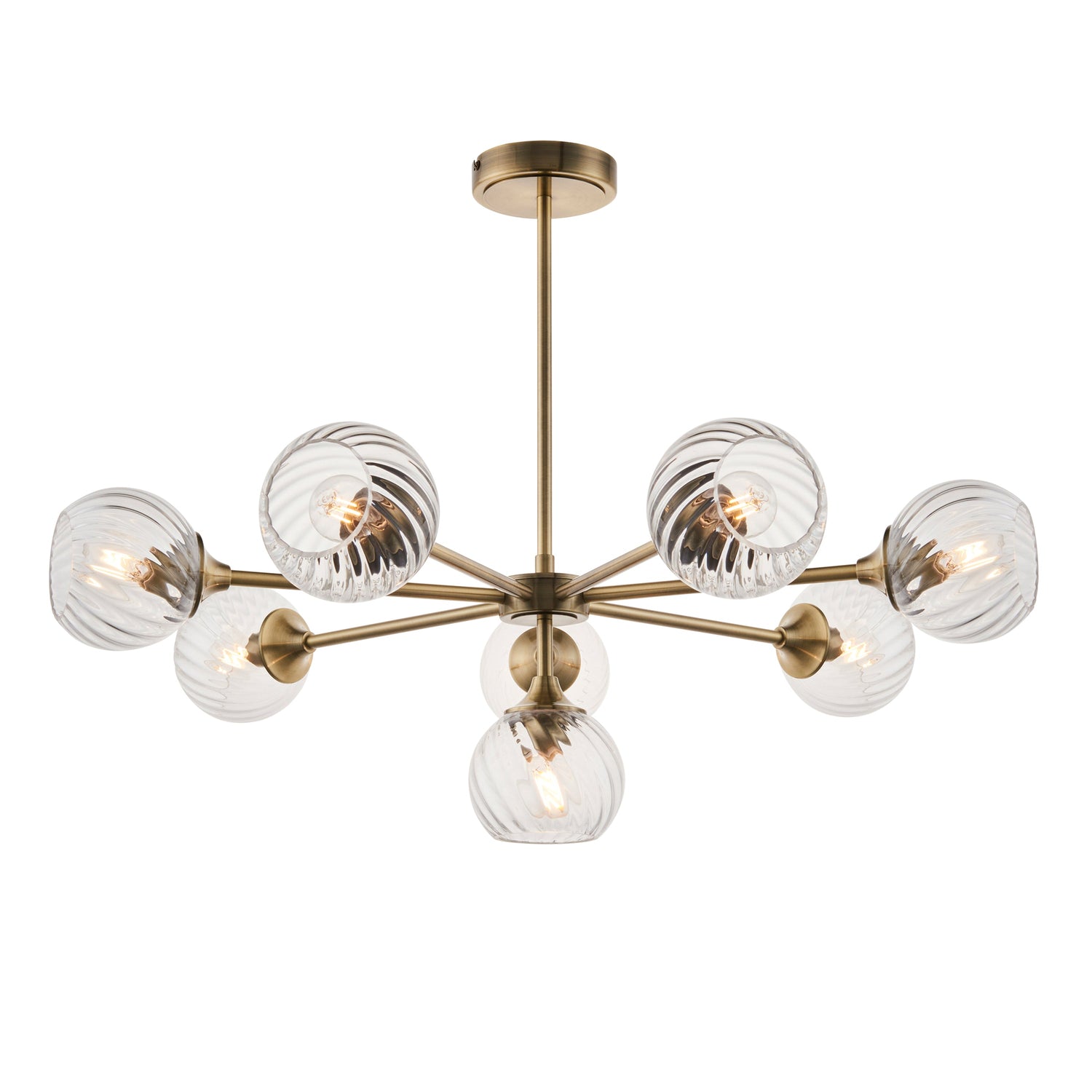
Good lighting can transform a room from merely functional to truly atmospheric. In the living room — where we relax, read, entertain and unwind — getting the lighting right is essential. The secret lies in layering different types of light to create depth, warmth and flexibility.
Understanding the Three Layers of Light
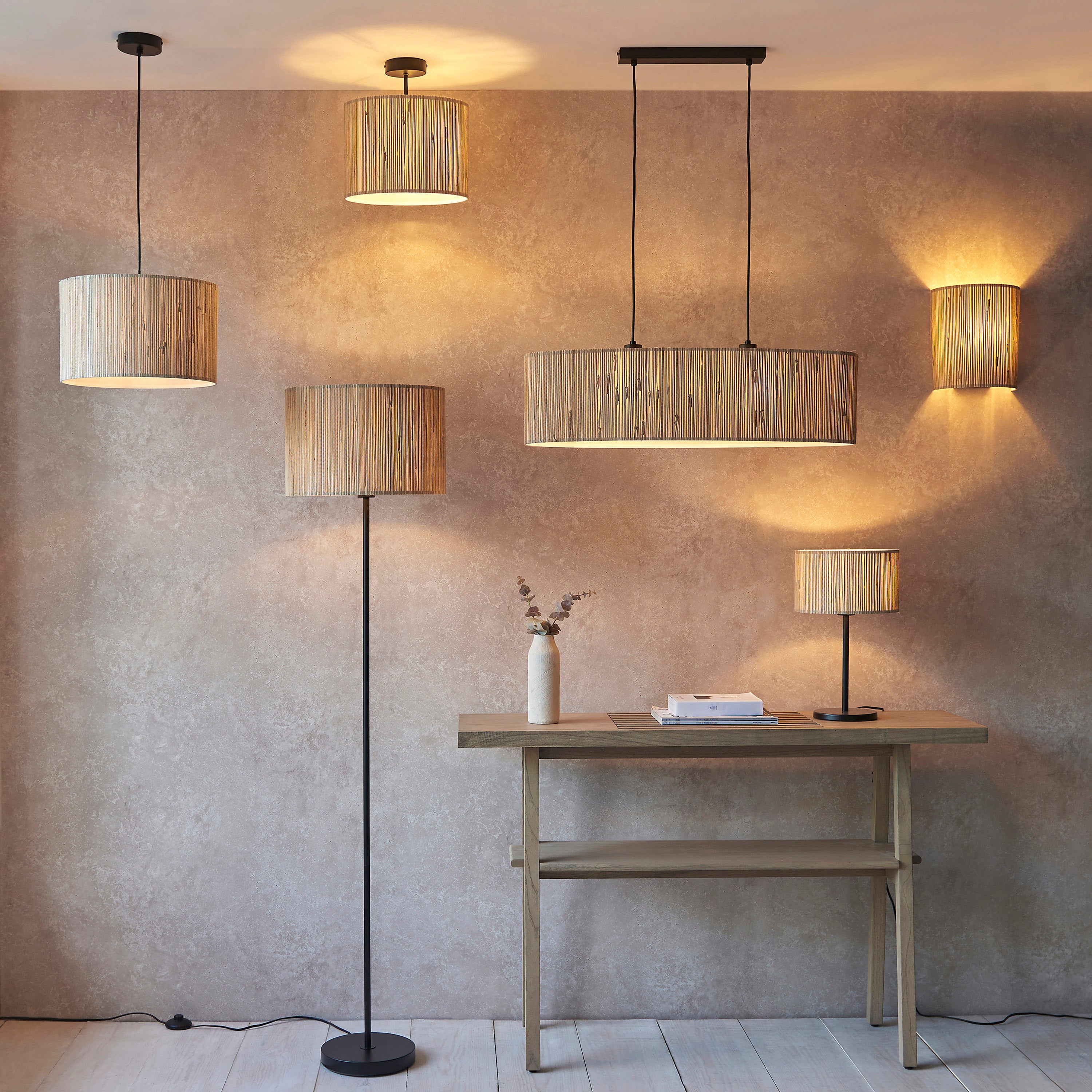
Ambient lighting provides the overall illumination for a room. This is your starting point — the general glow that allows you to move around safely and see clearly. Ceiling lights and large pendants typically serve this purpose.
Task lighting is directed light for specific activities: reading, working, or crafting. Table lamps beside a sofa or floor lamps next to a reading chair are classic examples.
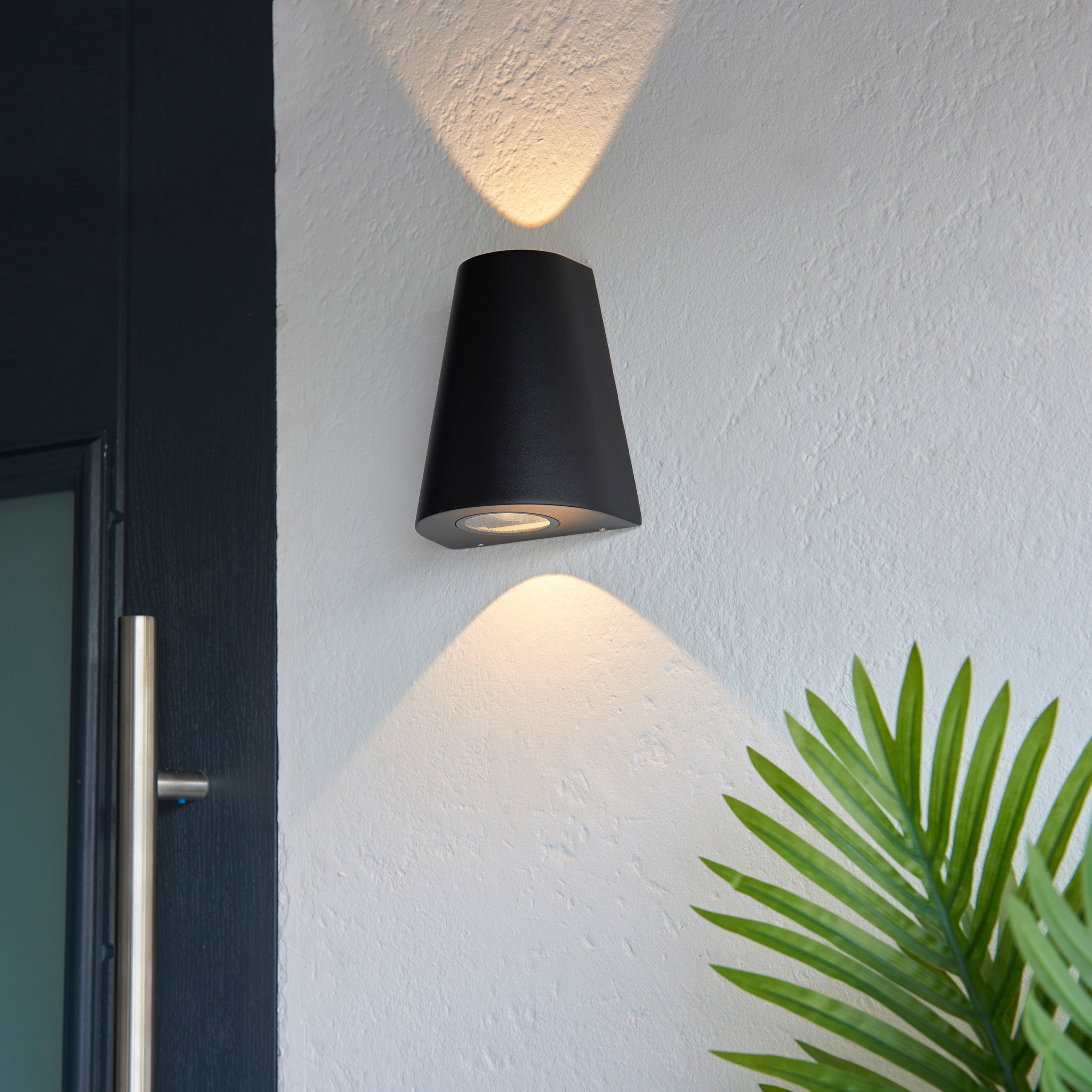
Accent lighting adds drama and visual interest. Wall lights that wash light up or down a textured wall, or a carefully placed lamp highlighting a piece of art, can elevate your room from pleasant to extraordinary.
Choosing the Right Fixtures
Pendant lights make a wonderful statement in living rooms with higher ceilings. A cluster of pendants at varying heights creates a contemporary focal point, while a single oversized shade adds understated elegance. Our pendant light collection includes everything from minimalist glass designs to sculptural metalwork.
Floor lamps are the unsung heroes of living room lighting. An arc floor lamp behind a sofa provides reading light without taking up side table space, while a tripod floor lamp adds a sculptural element even when switched off.
Table lamps bring warmth to side tables and console tables. Pair them in twos for symmetry, or choose a single statement design as a conversation piece. Consider the shade material — linen shades cast a warm, diffused glow, while glass or metal shades direct light more precisely.
Shade Materials and Mood
The shade you choose has as much impact on atmosphere as the bulb itself. Fabric shades in linen or cotton create a soft, warm ambience perfect for evening relaxation. Glass shades — clear, ribbed, or frosted — offer a crisper light that works well in contemporary spaces. Metal shades direct light downward, creating pools of focused illumination ideal for reading corners.
Browse our lamp shade collection to find the perfect finishing touch.
Sizing Your Fixtures
A common mistake is choosing fixtures that are too small for the space. As a general guide:
- Add the room's length and width in metres, then multiply by 10 to get the ideal pendant diameter in centimetres
- Table lamps should be roughly one-and-a-half times the height of the surface they sit on
- Floor lamps work best at 150-180cm tall — the shade should sit at roughly eye level when you're seated
Creating Atmosphere with Dimmers
If you take one thing from this guide, let it be this: install dimmer switches wherever possible. The ability to adjust light levels transforms a single fitting from bright morning functionality to soft evening ambience. It's the simplest and most cost-effective way to change the mood of any room.
Putting It All Together
The best-lit living rooms use at least three light sources at different heights. Start with your ambient layer, add task lighting where you need it, then introduce one or two accent pieces to create depth. And remember — not every light needs to be on at once. The beauty of layered lighting is the ability to dial up or down depending on the moment.
Explore our full lighting collection to find pieces that work beautifully together.

Leave a comment
This site is protected by hCaptcha and the hCaptcha Privacy Policy and Terms of Service apply.